
Written by the Sakura Skin team. Medically reviewed by Bethany S. Campbell, JD, RN, Sakura Skin Medical Spa, Fenton & Flint, MI. Published October 12, 2026. Last updated October 12, 2026.
Short answer: The best-supported options are a retinoid for fine lines and texture, daily sunscreen to prevent new damage, and Botox or Xeomin for lines caused by facial movement. Vitamin C and microneedling can help too. Peptide creams are promising, but no cream has been shown to do what an injectable neuromodulator does. The right plan depends on what is causing your wrinkles.
Every year, the beauty industry introduces new products promising younger-looking skin, fewer wrinkles, and more collagen. From expensive serums to the latest peptide creams, the choices can feel overwhelming.
So what does the science actually say?
A June 2026 article in The Economist, “The Chemicals That Reduce Wrinkles,” draws an important distinction: some skincare ingredients have substantial scientific evidence behind them, while others rely more on marketing than on proven results.
At Sakura Skin, we believe you deserve to understand the science behind your skincare and aesthetic treatments.
Why Do Wrinkles Develop?
Wrinkles are not all the same, and understanding what causes them is the first step toward choosing an effective treatment.
Dynamic wrinkles form from repeated facial expressions such as smiling, squinting, or frowning. Common examples include forehead lines, crow’s feet, and the vertical lines between the eyebrows.
Static wrinkles stay visible even when the face is relaxed. They develop from collagen loss, sun exposure, reduced skin elasticity, and natural aging.
Many people have both types, which is why one treatment rarely addresses every concern.
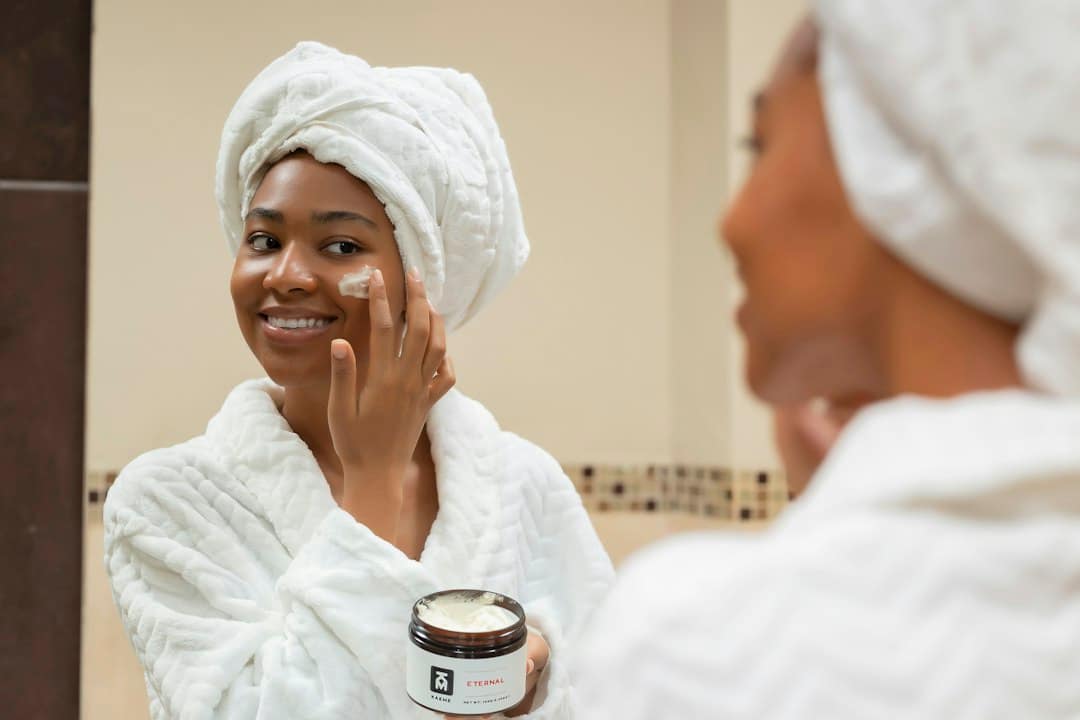
1. Retinoids: Among the Most Proven Anti-Aging Ingredients
Retinoids are derivatives of vitamin A. They include prescription tretinoin and over-the-counter retinol.
Tretinoin is one of the most extensively studied topical treatments for sun-damaged skin. Research shows it can:
- Improve fine lines and superficial wrinkles
- Stimulate collagen production
- Improve skin texture
- Reduce uneven pigmentation caused by sun exposure
- Support skin renewal
Retinoids take time. Improvements generally develop over several months of consistent use.
They can also cause dryness, redness, and irritation, especially when you first start. Retinoids are generally avoided during pregnancy.
The takeaway: If you are investing in anti-aging skincare, a properly selected retinoid is usually a more evidence-based choice than an expensive product with unproven claims.
2. Vitamin C: Antioxidant Protection and Collagen Support
Vitamin C plays an important role in collagen production and helps protect skin from oxidative damage.
Research suggests that a well-formulated topical vitamin C may improve uneven pigmentation, sun damage, and some visible signs of aging. Not all vitamin C products are equal, though. Concentration, formulation, packaging, and stability all affect how well it works.
The takeaway: Vitamin C can be a useful addition to your routine, but it does not replace sunscreen or treatments that target expression lines.
3. Peptides: Promising, but Are They Really Like Botox?
Peptides are short chains of amino acids found in many anti-aging products. Some may influence collagen production or skin repair. Others are marketed as having “Botox-like” effects.
That claim deserves a closer look. Topical peptides have not been shown to produce the same muscle relaxation or wrinkle reduction as injectable botulinum toxin. Some formulations may improve the look of fine lines, but the quality of the clinical evidence varies widely.
The takeaway: Peptides can complement a skincare routine, but be cautious of any claim that a cream can replace injectable wrinkle treatment.
4. Botox and Xeomin: Treating Wrinkles Caused by Muscle Movement
Unlike topical products, injectable neuromodulators such as Botox and Xeomin temporarily reduce activity in targeted facial muscles. They are especially effective for dynamic wrinkles, including:
- Forehead lines
- Frown lines between the eyebrows
- Crow’s feet
The goal is not to erase every expression. Our philosophy at Sakura Skin is simple: smooth, refreshed—not frozen.
When administered by a qualified provider, neuromodulators soften expression lines while keeping a natural look. Results are temporary, and every treatment plan should be individualized. If you’re deciding between the two, see Botox vs. Xeomin: What’s the Difference? and how long Botox and Xeomin results last.
5. Microneedling: Supporting Collagen Remodeling
Microneedling uses very fine needles to create controlled micro-injuries in the skin, which triggers the healing process that remodels collagen. It may improve:
- Uneven skin texture
- Some fine lines
- Mild acne scarring
- Some signs of sun damage
Results develop gradually, and a series of treatments is often recommended.
6. Don’t Forget the Most Important Anti-Aging Product: Sunscreen
Even the best skincare routine cannot fully make up for repeated UV exposure. A daily broad-spectrum sunscreen with SPF 30 or higher is one of the most important steps you can take to prevent premature aging. It also protects the results you get from skincare and aesthetic treatments.
So, What Actually Works Best?
It depends on what is causing your wrinkles.
| Your Concern | Treatment Options |
|---|---|
| Fine lines and sun damage | Retinoids, sunscreen, selected antioxidants, microneedling |
| Forehead and frown lines | Botox or Xeomin |
| Uneven texture | Retinoids or microneedling |
| Collagen-related skin changes | Retinoids and selected professional procedures |
| Preventing premature aging | Daily sunscreen |
No single product or treatment addresses every aspect of skin aging.
The Bottom Line
You do not need every serum on the market. You need to understand your skin, know your concerns, and choose treatments backed by solid clinical evidence.
At Sakura Skin, we focus on realistic expectations, individualized treatment plans, and natural-looking results. Whether you’re interested in anti-wrinkle injections like Botox and Xeomin, microneedling, or just want to know which skincare ingredients are worth your money, we’re here to help you decide.
Not Sure Where to Start? Ask Us.
Sakura Skin has locations at 13389 Pomona Drive in Fenton, MI and 2335 S. Linden Road, Suite B in Flint, MI, serving Fenton, Flint, Linden, Holly, Grand Blanc, Swartz Creek, Davison, and Hartland.
Ready to talk about your skin goals? Call 810-394-2187 or Text 810-512-2496 — or book online at calendly.com/sakuraskin. We’re in Fenton and Flint, MI.
References and Further Reading
- The Economist. “The Chemicals That Reduce Wrinkles.” June 5, 2026.
- Mukherjee S, et al. “Retinoids in the Treatment of Skin Aging: An Overview of Clinical Efficacy and Safety.” Clinical Interventions in Aging. 2006;1(4):327–348.
- Pullar JM, Carr AC, Vissers MCM. “The Roles of Vitamin C in Skin Health.” Nutrients. 2017;9(8):866.
- American Academy of Dermatology Association. Guidance on preventing premature skin aging and selecting anti-aging skincare products.
Individual results vary. This article is for general information and does not replace individualized medical advice. Treatment suitability, contraindications, risks, and results are determined by your medical provider.