Written by the Sakura Skin team. Medically reviewed by Bethany S. Campbell, JD, RN, Sakura Skin Medical Spa, Fenton & Flint, MI. Published October 7, 2026. Last updated October 7, 2026.
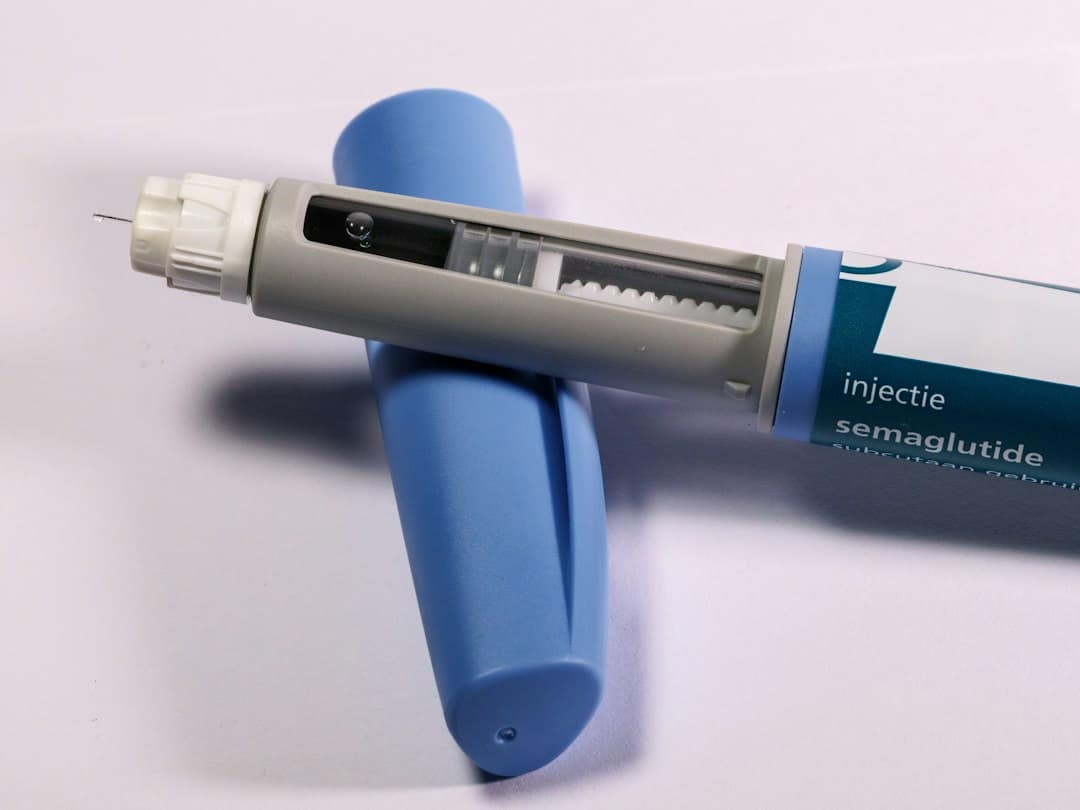
Short answer: GLP-1 is a hormone your gut releases after you eat. It tells your brain you’re full, slows how fast your stomach empties and helps control blood sugar. GLP-1 medications such as semaglutide (Ozempic, Wegovy) and tirzepatide (Mounjaro, Zepbound) copy that signal. In major clinical trials, people lost an average of about 15 to 21% of their body weight over about 15 to 17 months.
What is GLP-1?
GLP-1 stands for glucagon-like peptide-1. Your intestine releases it within minutes of a meal. It does four useful things: it prompts your pancreas to release insulin when blood sugar is high, lowers glucagon (the hormone that raises blood sugar), slows the rate food leaves your stomach, and acts on appetite centers in the brain so you feel satisfied sooner.
Natural GLP-1 breaks down in a couple of minutes. GLP-1 medications are engineered to last much longer, so a single weekly injection keeps that “I’m full” signal steady all week.
How do GLP-1 medications cause weight loss?
Most people describe it as the volume getting turned down on hunger. You feel full on smaller portions, stay full longer, and think about food less between meals. That makes eating less feel manageable rather than like a constant fight with willpower. The medication doesn’t burn fat on its own; the weight comes off because you’re consistently eating less.
What’s the difference between semaglutide, Ozempic, Wegovy, tirzepatide, Mounjaro and Zepbound?
The two most common active ingredients are semaglutide and tirzepatide. Each has one brand approved for type 2 diabetes and one approved for weight management. Since late 2025 there are also pill options: the Wegovy pill (semaglutide) and Foundayo (orforglipron, a different medication). Read more in Semaglutide, Ozempic and Wegovy and What is tirzepatide?
| Active ingredient | How it works | Diabetes brand | Weight management brand | Average weight loss in its main trial |
|---|---|---|---|---|
| Semaglutide | GLP-1 | Ozempic | Wegovy | 14.9% at 68 weeks (STEP 1) |
| Tirzepatide | GLP-1 plus GIP | Mounjaro | Zepbound | 15 to 20.9% at 72 weeks, by dose (SURMOUNT-1) |
Tirzepatide also acts on a second gut hormone, GIP, which is part of why it produced somewhat more weight loss on average. That doesn’t make it the right choice for everyone. Our tirzepatide vs. semaglutide guide walks through how we decide.
The trial numbers are averages from people who also followed a reduced-calorie diet and exercise plan. Some people lost much more, and some lost less.
Who qualifies for a GLP-1 medication for weight loss?
The FDA-approved weight management labels cover adults with a BMI of 30 or higher, or a BMI of 27 or higher plus at least one weight-related condition, such as high blood pressure, type 2 diabetes, high cholesterol or sleep apnea. A medical provider also reviews your history, current medications and lab work before prescribing.
GLP-1 medications aren’t right for you if you or a family member has had medullary thyroid cancer or multiple endocrine neoplasia type 2 (MEN 2), or if you’re pregnant or planning a pregnancy. If you’ve had pancreatitis, gallbladder disease or kidney problems, your provider will weigh that carefully before prescribing.
What are the side effects of GLP-1 medications?
The most common side effects are digestive: nausea, diarrhea, constipation, vomiting, heartburn and stomach discomfort. They’re usually strongest in the first few weeks and after each dose increase, which is why doses start low and go up slowly. Eating smaller meals, stopping when you’re full, limiting greasy food and drinking plenty of water all help.
Less common but more serious risks include pancreatitis, gallbladder problems, kidney strain from dehydration and low blood sugar if you also take certain diabetes medications. Call your provider right away for severe stomach pain that doesn’t go away or pain that spreads to your back. Our posts on GLP-1 side effects besides nausea and relieving nausea on tirzepatide cover what to watch for.
How long do you stay on a GLP-1 medication?
Most people need several months to reach their goal, and weight often comes back if the medication is stopped without a plan. In a follow-up to the STEP 1 trial, people who stopped semaglutide regained about two-thirds of the weight they had lost within a year. A good program plans for maintenance from the start, which may mean a lower dose, a slower taper or a maintenance medication, together with the eating and activity habits that keep results.
Can GLP-1 medications help with menopause weight gain?
They can. Falling estrogen during menopause shifts where your body stores fat and can make blood sugar harder to manage, and GLP-1 medications address appetite and blood sugar directly. For some women, pairing weight loss treatment with hormone therapy makes the biggest difference. Read Can GLP-1 shots help with menopause weight gain? and our guide to hormone replacement therapy.
GLP-1 medical weight loss in Fenton and Flint
Sakura Skin offers a physician-guided GLP-1 program with weekly injections, overseen by our medical director, Wilfredo Rivera, MD, FACC, with Bethany S. Campbell, JD, RN. Pricing varies by dose and treatment plan. No insurance is required. It starts with a free phone consultation, and we’ll explain exactly which medication you’d be prescribed and why. See our GLP-1 medical weight loss program or read how to get started.
We see patients at 13389 Pomona Drive in Fenton (Tuesday 10 AM to 6 PM, Saturday 10 AM to 3 PM) and at 2335 S. Linden Road, Suite B in Flint (Thursday 10 AM to 6 PM). Patients come to us from Fenton, Flint, Linden, Holly, Grand Blanc, Swartz Creek, Davison and Hartland, across Genesee and Livingston counties.
Wondering if a GLP-1 is right for you? Call 810-394-2187 or Text 810-512-2496, or book online at calendly.com/sakuraskin. We’re in Fenton and Flint, MI.
Sources: Wilding et al., “Once-Weekly Semaglutide in Adults with Overweight or Obesity” (STEP 1), New England Journal of Medicine, 2021. Jastreboff et al., “Tirzepatide Once Weekly for the Treatment of Obesity” (SURMOUNT-1), New England Journal of Medicine, 2022. Wegovy and Zepbound U.S. prescribing information. This article is for general education and isn’t medical advice. GLP-1 medications are prescription treatments, and whether one is right for you is decided by a medical provider after reviewing your history. Results vary from person to person.